Showing posts with label hvac tips. Show all posts

Tuesday, November 6, 2018

Tips for improving your air quality during the winter

Air quality winter

The return of winter means the return of cold, dry air. Dry air can negatively impact your health in more ways than just chapped lips. The Cleveland Clinic reports that dry air can cause problems including dry eyes, sore throat, dry nasal passages/bloody noses, more susceptible to illness, and worsened allergy/asthma symptoms. Consider combating dry air by adding a humidifier to your home. Humidifiers make your home healthier and more comfortable to be in.


Signs of Low Humidity  
The clearest sign of low humidity is your personal health. If your lips are chapped or skin is cracking, your home likely has low humidity. The EPA recommends keeping your home between 30 and 50 percent humidity.  Individuals with asthma or allergies find that their symptoms become worsened in homes with low humidity. Other signs included an increase in static electricity around the house and cracked paint along your walls. A humidifier will keep your family healthy and happy in the winter months

Other Benefits
  • Reduced snoring - Dry air means dry nasal passageways. This can cause snoring problems to emerge or worsen.
  • Softer skin - Cold winter air dries out your skin. This can make your skin appear older and less vibrant. A humidifier will keep your skin looking young and full of color.
  • Healthier houseplants - Plants survive best in a tropical and humid area. A humidifier will have your plants looking better and living longer.
  • Protect your home - Dry air can cause harm to areas of your home. Low humidity can hurt your furniture, crack your floorboards, and ruin your wallpaper.
  • Save money on heating bills - Adding humidity to your home will cause your home to feel warmer, which will save you money on energy bills.

winter air quality

Installing a humidifier is the best thing you can do for your family this dry season. There are different types and styles of humidifiers from small portable steam vaporizers to whole home humidifiers. If you have humidity concerns, trust the professionals at Wheeler Heating and Air Conditioning LLC. We are family owned and operated and provide honest, reliable, and affordable services. We are available 24/7 and offer free in-home estimates. To find out more, call 417-839-9240 or visit our website.


Sources

https://molekule.com/blog/home-humidifier-benefits/

Friday, August 24, 2018

Could Your Air Conditioner Be Making Your Allergies Worse?

Air Conditioning Allergies


During the spring and summer months, allergies can throw you off and make you feel like you’re stuck in a fog. But what if something inside your home is making them worse? Your air conditioner can be a lifesaver, but it can also increase the irritation you feel from allergies.

Have Your AC Serviced Often
To keep your AC from making your allergies worse, have it serviced often to make sure it’s working correctly and that the filter is clean. If you find that your allergies irritate you more during the summer while your AC is on, you can even change your air filter more often to keep the irritation at bay.

Use Better Air Filters
Not only can you replace your filter often, you can use certain air filters that will keep the air clean and prevent your allergies from being worse than they already are. HEPA filters, or High-Efficiency Particulate Air filters, are the only filters that are manufactured fine enough to trap allergens inside your home. Using these specific air filters will help trap all of those annoying and irritating allergens that circulate through your home while your windows are closed.

AC Allergies

Open Your Windows
This may seem counterproductive, however, opening your windows on days when the pollen count is low can help circulate the air through your home and get fresh air into your home. This will provide ventilation and help prevent the build-up of allergens inside your home, which leads to less annoying bouts of irritating allergies.

Use Your AC Sparingly
If you’re really suffering from allergies coming from your AC, try using it less and less often. This will lessen the effects it can have on your allergies, along with lower your energy bill costs and is even better for the environment.

If you’re looking to have your AC serviced but don’t know who to turn to, think of Wheeler’s Heating and Air Conditioning. We have a staff of licensed professionals that can assess the problem and find a solution that best fits you and your family’s lifestyle. Not only can we service your AC, but we carry products that help improve your home's air quality. Contact us today at 417-839-9240, or visit our website to read more about the services we offer.


References

Thursday, June 14, 2018

Everything You Need to Know About a Window-Unit Air Conditioner

Air Conditioner


Summer is here in full swing, and if you’re in need of some relief when it comes to the heat, a window-unit air conditioner is one solution many choose. Below you’ll find some tips to keep in mind when it comes to installing your window-unit AC.

Use a Brace or Bracket

Sometimes you see people using whatever is handing to carry the weight of the back-end of their window unit. While this may seem like a great idea at the time, it’ll also come with consequences. There are many different braces and brackets you can use to install your unit, you just need to take window measurements before purchasing. If you decide to not use a bracket, make sure to properly install the unit using sturdy braces instead.

Protect Your Window

Your window unit AC will come in contact with the window frame, so it’s important to purchase some sort of adhesive or weather stripping to apply where the unit will come in contact with the window frame. If you’re not able to find a suitable option at your local hardware store, many bracket systems will allow some room for you to place a towel between the unit and window sill. Not only will this help protect the window frame, but it will make your unit more efficient by keeping unwanted warm air out.

Finding the Right Location

  • Find an Outlet: make sure your unit is close enough to an outlet so you can plug it in. If you don’t have an outlet near the window you’d like to place the window in and you plan to stay in the home awhile, consider having an electrician install an outlet.
  • Have a Clear Spot: you’ll want the areas on the inside and outside of the unit to say clear to make sure it operates at full efficiency.
  • Put it on the Second Floor: if you have a two floor home, place the unit on the second floor. This will help cool the home better because the cool air will make its way through the second floor and down to the first floor as it displaces the warmer air.
Window-Unit Air Conditioner
If you need guidance when it comes to properly placing and installing a window-unit AC, contact the experts at Wheeler’s Heating and Air Conditioning today at 417-839-9240 to set up an appointment.


References

Thursday, May 24, 2018

Keep Your Home Cool This Summer Without your Air Conditioner

As summer officially begins, one thing is certain; the weather outside is about to turn frightful. No, we’re not talking about endless blizzards and frigid temperatures-those days are still thankfully far off! Instead, the weather will be frightful as the humidity and temperatures rise.

We don’t mean to sound like we have a “glass is half-empty” philosophy-there is plenty to enjoy about the summer season ahead! But there are ways to enjoy these upcoming warm months comfortably both indoors and outdoors. Let’s focus on indoor summer enjoyment for a moment. The immediate answer on how to remain comfortable in your home all summer long is to turn on your air conditioner. While that is, of course, an answer, there are other simple things you can be doing to keep your home cool and comfortable this season.

Here are a few of our favorite methods to stay cool this summer without the assistance of an air conditioner.

Shades

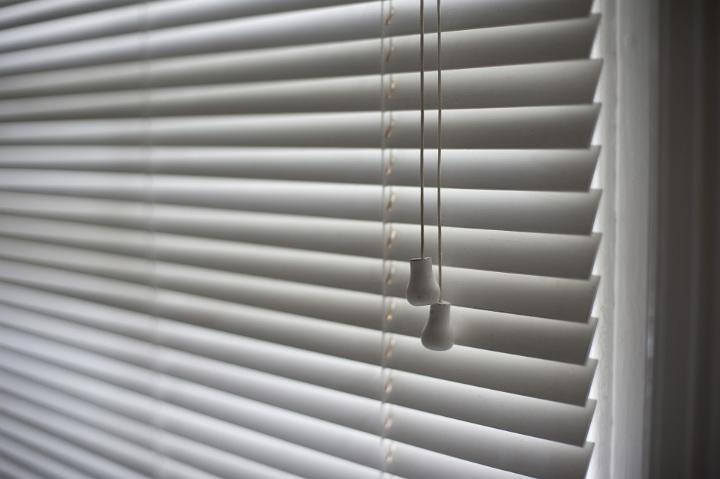
Shut Your Blinds
Want the interior of your home to be between 10-15 degrees cooler? Simply close your blinds from late morning to early evening.  You’d be surprised at what a difference it makes.

Use the Ceiling Fans
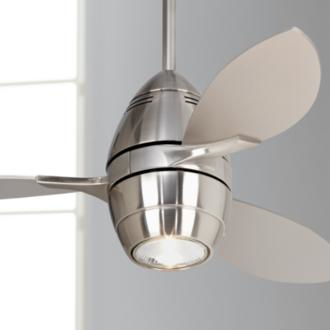
Having your ceiling fan turn in a counter-clockwise direction (as opposed to a clockwise direction in the winter months) keeps cool air flowing in your home without incurring a major expense.

Unplug Electrical Items
When you aren’t using an electrical appliance, unplug it from the socket. This will prevent heat being produced from that item. Keep in mind that turning off an item that is not being used will still produce a surprising amount of heat.  

Avoid Cooking
Don’t misunderstand us-avoiding cooking doesn’t mean avoiding eating! Instead, eat items that don’t involve turning on your oven. Instead, use recipes that favor a microwave, an outdoor grill, and even a crock pot.

Cool without AC

As wonderful as it is to spend the summer season soaking up the sun, that doesn’t mean that that sunshine can’t occasionally get uncomfortable. When the heat is too much, you can use these methods to stay cool and comfortable, so you can get the most out of your summer.

Of course, whenever you DO want to turn on your air conditioner, know that your friends and experts at Wheeler Heating and Air will be happy to ensure your air conditioner is in perfect working condition to get you through the season. Call 417-839-9240 today or email wheelerheatingandair@gmail.com.

Tuesday, April 3, 2018

Keeping you Cool this Summer should be a Breeze

Get your AC ready before Summer


Fall and winter maintenance tasks will help protect your home from the cold weather elements while saving you money on heating costs, but there are maintenance projects you should also complete in the spring or early summer. The thought of a scorching hot, humid summer without working air conditioning is a nightmare scenario for some people, and a reality for many others. Follow these instructions to ensure your air conditioner will be running smoothly by the time those humid summer days hit:

AC Ready

Shut off the power
Safety first! Before performing maintenance on your air conditioner, you’ll need to shut the power completely off to avoid the dangers of electricity and the unit’s moving parts. Turn off the power at your main breaker box, and look for an exterior shut-off box near the unit itself.

Remove debris
Using a screwdriver or wrench, remove the fan cage on the exterior condenser/compressor from the top of the unit. By hand, or with a wet/dry vacuum, clean leaves and other debris from the interior.

Clean the fins
Using a garden hose with a strong stream setting, spray through the fins from the inside out to blast any built up dirt or debris from between them. Never use a pressure washer, since the pressure can damage the fins.

Straighten the fins
Carefully straighten any bent fins using a butter knife or commercially available fin-straightening tool. Be gentle so that the tubing embedded within the fins is not damaged. Straight fins means increased efficiency due to optimal airflow.

Clean around the unit
Once you’ve finished cleaning the unit itself from the inside out, tidy up around the unit. Rake away leaves and debris and cut back any vegetation at least two feet in all directions

Change the filter. The filter in your HVAC system should be changed twice a year - once before the heating season begins and another before cooling season.


Schedule maintenance
While the above steps will help your AC stay in top shape, some maintenance items should only be performed by a trained HVAC technician. Ideally, this maintenance should be done by a professional once a year, either in the spring or fall.

Routine, professional maintenance does cost money up front, but will save you in the long run from having to fix bigger issues that may arise. Let Wheeler’s Heating & Air Conditioning perform maintenance or repair on your AC unit, or even replace your old unit for a more efficient system that can save you money each month. We provide top AC repair in Ozark at more affordable rates than our competitors. Contact us today! Call 414-839-9240 or visit us at http://www.wheelerheatingandair.com/.

Thursday, February 15, 2018

Indoor Air Pollution & What You Can Do About It

Did you know indoor air pollution levels are two to five times higher than outdoor air pollution levels? Since we spend a good deal of our time inside, the air quality we breathe indoors should be of the utmost importance. Common indoor air pollutants include:

Indoor Air Pollution
  • Secondhand smoke: A serious indoor air pollutant which can worsen symptoms for asthma sufferers, increase risks of ear infections in children and increase risks for SIDS in babies.
  • Radon: A dangerous gas pollutant identified as the second leading cause of lung cancer, Radon enters homes through cracks and other improperly sealed openings.
  • Carbon monoxide and nitrogen dioxide: These gases come from burning materials or improperly vented fuel-burning appliances such as space heaters, wood stoves, gas stoves, water heaters, dryers and fireplaces.
  • Allergens: Pollen, dust, pet dander, and mold are among several indoor pollutants that can trigger allergy symptoms and asthma.
Regular maintenance of your HVAC system can improve indoor air quality and reduce allergens throughout the home. Here’s what you can do:
  • Replace filters. Use high-quality filters or permanent HEPA filters, which remove more than 90% of microscopic particles, drastically reducing indoor allergens. For replaceable filters, consider changing them every three months. For permanent HEPA filters, clean them or have them cleaned regularly.
  • Keep your HVAC unit clean. Check your outdoor AC unit and indoor unit to make sure they are free of dust and debris. If your unit is left dusty or dirty, that debris will be sucked into the HVAC system and circulated throughout your home. Keeping your units clean will reduce allergens.
  • Check for mold. Mold is one of the most dangerous indoor pollutants that can be in your home. You should be checking your air ducts, drip pan and drain, evaporator coils, and air handler every few weeks to make sure there is no mold growth. Mold spores cause allergies and in some cases if left unchecked, they cause serious illness and even death.
  • Dust regularly. When dusting your home, you should dust your air registers and return vents first. If your registers and vents are dusty, then they will circulate dust to the rest of your home. Cleaning them with a damp cloth instead of a feather duster will pick up the dust rather than just redistributing it elsewhere.
  • Schedule HVAC maintenance. Spring is a great time to schedule an HVAC maintenance appointment. Regular professional maintenance is important to keep your system healthy and free of dust and blockage.

If you’re in need of HVAC system maintenance, repair, or replacement, contact Wheeler’s Heating & Air Conditioning. We also offer different products to help with your home’s air quality. Contact us for more information!

Friday, January 19, 2018

New Year’s Resolutions for Your HVAC System

You may have set New Year’s Resolutions for your body and mind, for your health and for your habits. But have you considered making New Year’s Resolutions for your home? Specifically, for your HVAC system. Here are some “resolutions” to help make your home more comfortable and energy-efficient home in 2018:

programmable HVAC

Utilize Your Programmable Thermostat
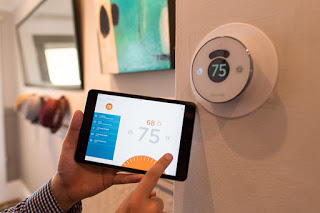
If you have a programmable thermostat but aren’t using it to its full potential, now is the time to start. There is a lot of money to be saved by programming your thermostat to a lower temperature while you’re at work or asleep. If you don’t have a programmable thermostat in your home, consider getting one installed. Or you can go a step further and get a smart thermostat. You’ll be amazed by how much it simplifies regulating your home’s temperature as well as saves you money on utilities and bills!

Change Your Filters
Changing your HVAC filters is one of the easiest ways to ensure that your system will continue to run efficiently. You should change your filters every 3 months to help prevent potentially costly repairs and breakdowns. Changing your filters will also help keep your air clean during the months that your home is kept shut up from the cold elements. Cleaner air means less illness during cold and flu season cycling through the home. Set a schedule and mark on your calendar to help you remember to change out the filters.

Schedule Routine Maintenance
Maintenance is key when it comes to your HVAC system. Regular maintenance performed by a certified technicians will help your system have a longer lifespan, run more efficiently, and prevent costly problems. Maintenance on your HVAC system should be performed at least once a year.

Upgrade Your HVAC System
If your HVAC system is nearing the end of its lifespan (20-25 years, depending on the model), the new year is the perfect time to start thinking about investing in a new, more energy efficient replacement.

If you need to schedule routine maintenance or upgrade your HVAC system, give Wheeler Heating & Air Conditioning a call. We’ll be glad to help you keep your HVAC resolutions!

Monday, October 23, 2017

Keeping Your Home Warm all Winter Long

Heating winter

Fall is in the air in Missouri. A sure sign that winter is not far behind, bringing cold temperatures that try to seep into your home. Keeping your home warm in the winter can be difficult and expensive. Knowing some tricks could save you big on energy costs.
  • Programmable thermostat – These handy devices keep your house toasty warm, just when you need it. Set your thermostat to warm up just before you wake and turn down when you head to bed. If you work outside the home, program it to turn down when you are away and warm up when you are heading home. Many of these smart devices can even been synced to your smartphone so you can adjust the heat remotely.
  • Let the sun shine in – Let Mother Nature do her part to keep your home warm. When the sun is shining, open up the curtains and heat your rooms naturally. Even when it is bitter cold outside, the sun’s rays can warm your home a few degrees.
  • Curtains – If you have rooms that don’t get sunshine during the day, close the curtains. Curtains serve as a blanket for your windows, keeping the cold temperatures out. In addition, close your drapes in the evening when your home loses heat.   
  • Watch your fire – Unless a fireplace is tied into your heating system as in the case of a water heated home, it can actually make your home colder. A fireplace that is too close to the thermostat can turn the heat off, making other areas of the home very cold. In addition, be sure your fireplace has doors to keep some of the warm air from escaping up the chimney. Finally, when the fireplace is not in use, be sure the flue is closed.
  • Reveres fans – Most ceiling fans are designed to go in two directions. On direction sucks warm air off the floor, cooling the house, while the other pushes warm air off the ceiling and back down to the floor. Be sure your ceiling fan is operating in a clockwise direction to move as much warm air as possible back to your living areas.
  • Clear the vents – If you have furniture near heating vents, move them away so the air is able to circulate freely.
Not sure if your furnace is ready? Contact Wheeler Heating and Air Conditioning before old man winter comes to visit.

Wednesday, June 14, 2017

Stay Cool with these Summer AC Tips

Wskscrgk6xnytlgdayaqo9wxlgrqxpil 3q jyrkuvic98t rbrpjlvrduoviv ub2vxcupnh71enmxc5zzgkwfoqgsekhcmfc137vy061tvkhu7a qudakmxkqqxkkxue6xhnmc


Summer is here, days are longer, the kids are out of school, and the mercury is starting to climb - all  sure signs that air conditioning season is back upon us. Whether your AC unit is brand new or if it’s seen a few summers, there are things every homeowner can do to ensure that your AC keeps running smoothly and cost-effectively, year after year. 
 
Professional Maintenance is Key
 
Each spring, schedule a routine maintenance appointment with a reputable HVAC specialist. At this appointment, filters will be checked and changed, evaporator coils and the condenser will be cleaned, and refrigerant levels will be checked. If necessary, additional refrigerant will be added. Mud, dirt, and debris that have accumulated over the winter and can clog the condenser will be cleaned out, drain lines will be cleared, and the air conditioner will be checked for safety. Your HVAC specialist will also check your thermostat at this time to ensure that all of your controls are working properly and that your AC unit is as energy efficient as possible.
 
Improve AC Performance During the Summer
 
Once summer is here, there are many things that you can do to help your AC perform better and more efficiently. Sun beaming through the windows is a sure way to force your AC to work harder, so be sure to keep curtains closed during the daylight hours. Reduce heat from other sources by turning lights off when not in use and scheduling “hot” chores such as laundry and cooking for the cooler hours of the day. Keep ceiling fans on and, in rooms without a fan, use inexpensive portable fans to circulate the air. If you have rooms in your home that aren’t used on a regular basis (like a guest room), turn those AC vents to the off position and close the door. 
 
Your air conditioner filter is responsible for allowing air to flow freely from your air conditioning unit. Because the filter traps particles before allowing the cool air into your home, over time it will get clogged and efficiency will be compromised. Avoid this by changing your AC filter monthly during the summer months while it is in use. Installing a programmable thermostat allows you to control your AC usage by increasing the temperature when no one is home, and restoring a comfortable temperature when people are at home. Programmable thermostats are a great way to save money on your energy bill without sacrificing comfort. 
 
At Wheeler’s Heating and Air Conditioning, we specialize in air conditioner maintenance and repair. Visit us online today, or give us a call at 417-839-9240. 

Thursday, January 5, 2017

How Condensation in Duct Work Impacts your Home

Condensation
While it might not sound like a big deal, excess condensation in your ductwork can be a sign of more serious problems within your HVAC system. Often homeowners are completely unaware that there is trouble until a more serious issue occurs.
 
What is Condensation?
Condensation occurs when water vapor in the air condenses into liquid. The colder the air becomes, the more likely the air will condense into water. Generally, this problem is associated with warm humid air as it comes into contact with a much colder temperature, such as the surface of your air ducts. The cold surface chills the air and causes a rapid drop in temperature. When the temperature dips below the air’s dew point, water forms. This process can be seen if you observe how air reacts to the surface of a glass filled with an icy cold beverage.
 
Why is this a Problem for Ductwork?
When the water forms on the cold surface of the ducts, can start to drip. Because the ducts are normally located behind walls or in ceilings, the excess build-up  of water can have a big impact on the interior surfaces, causing mold and mildew to form. It can also compress insulation in the wall and reduce the energy efficiency. And, it can rot the drywall, ruin woodwork and other structures within the interior of your walls.
 
What Causes Condensation in Air Ducts?
Typically, moisture within HVAC ducts is an issue during the summer months in areas like the Ozarks, that see a great deal of heat and humidity. The cold air from your air conditioning creates the right climate for warmer humidified air to condense into water droplets within your air ducts. Having inadequate insulation around your ducts is a common way that condensation forms. Insulation is designed to hold heat in or keep cold out. If your ducts are properly insulated, condensation is unable to form because the warm air does not come into contact with the cold surface of the air ducts.
 
If you are concerned that you have condensation in your ducts, it is best to leave the job to a professional. Contact the team at Wheeler Heating and Air Conditioning to analyze the moisture content in your ducts.

Wednesday, November 16, 2016

Stay Warm this Winter: The 3 main types of attic insulation

Winter is upon us, and insulation is on the minds of many homeowners right now. With most American households seeing a rise in energy bills at this time of year, and of course, wanting to maximize home comfort, HVAC contractors get a lot of questions about heating efficiency during this time. Attic insulation is an important part of winterizing a home and increasing its warmth.
Energystar.gov estimates that 9 out of 10 attics are under-insulated. When you think about how cold air sinks and warmer air rises, it makes sense that your attic insulation is one of the first places to look if your heating bills are high and your home feels drafty and cold. Insulation can either be added by a professional contractor, or on a do-it-yourself basis. Be sure never to cover recessed lighting or vents with insulation. For more tips on laying your own attic insulation, see here.
There are three main types of attic insulation: roll-on, blown-in, and spray foam. Before adding any type of insulation, be sure to plug or seal any areas of air leakage. Putting insulation over a hole or crack in the attic space will compromise its performance.
  • Roll-on insulation: This is generally the easiest type of insulation to put in yourself, but it isn’t necessarily the most efficient. Rolls of this kind of insulation usually come in fiberglass material. Rolls are pre-cut and don’t require special machinery to install. Roll-on installation is also good for covering large or long areas of the attic, but the downside is that it doesn’t conform perfectly to irregularly-shaped areas.
  • Blown-in: This form of insulation comes in small pieces, which makes it the best choice for filling in gaps, small spaces, and difficult-to-reach areas. It is applied with a machine that blows the material--usually cellulose or fiberglass--into the attic space through a large hose. It can also be applied over existing insulation.   
  • Spray foam: Spray foam can be the warmest option if applied correctly, but it can also be the most expensive. If applied too thick or too thin, spray foam insulation isn’t as efficient as blown-in or roll-on. As the name implies, this form of insulation involves spraying a coating of foam directly to the ceiling and walls of the attic. Spray foam, however, is a great option for sealing around vents, doors, and other drafty spots.
Wheeler’s Heating and Air Conditioning is a family-owned and operated business providing furnace, heat pump, and air conditioner service and repair in Ozark, Missouri. Visit our site or call (417) 839-9240 today to find out more. Follow our blog for more tips on how to improve your indoor air quality and maximize your home’s heating and cooling efficiency!

Wednesday, October 12, 2016

Ceiling Fan Operation Through the Seasons

Ceiling fans circulate the air in a room, adding to temperature comfort and a reduced need for usage of air conditioning or heating units. Depending on the season, there are tips for maximizing ceiling fan operation so that you get all the comfort and efficiency your fan can offer.

Ceiling Fan Rotation: Counterclockwise Versus Clockwise
Determine ceiling fan direction by standing under the fan and looking up. If the blades are moving counterclockwise, the fan is moving in a forward direction. In the summer, a ceiling fan should run in this direction. In winter, the direction should be switched so that it moves clockwise (backwards). The mechanics of this seasonal rule are as follows:

  • Counterclockwise: This direction forces air straight downward, creating a wind chill effect that cools the room below.
  • Clockwise: By changing the direction of the fan to clockwise, or backwards, the rotation creates an updraft of room air. Hot air rises naturally, so the goal is to push warm air gently back down into the room without creating the wind chill effect. This direction circulates warm air outwards so that it doesn’t blow straight down.

Ceiling Fan Speeds
Have you ever wondered why ceiling fans feature so many different speeds? In the summer when you need to cool off, high speed rotation offers the most “wind chill” effect. In winter, lower speeds in the reverse direction allow the warmer air to move away from the ceiling, down and out towards the rest of the room, without the wind chill effect created by excessive, downward air circulation.

Why, then, is the ceiling fan still able to run at a high speed in the clockwise direction? There are some instances where you might want to create the wind chill effect in reverse rotation. One example includes those who sleep under the ceiling fan who want to cool the room but not have the cold air blowing directly on them. For rooms where a table that is set up directly under a ceiling fan, it might be more comfortable to cool the room using the clockwise rotation in high speed, rather than eating or playing cards or board games with the cold air blowing straight down on the table.

Ceiling Fan Troubleshooting
If your fan isn’t creating the directional effects you want, the blades may be too flat to make a seasonal difference. You also might need a fan with a more powerful motor, or more speeds. The bottom line is that you should be able to feel cool air blowing downward on you in summer when you stand under the fan. If you don’t, it’s time to troubleshoot.

Wheeler’s Heating and Air Conditioning is a family-owned and operated business providing furnace, heat pump, and air conditioner service and repair in Ozark, Missouri. We offer the most affordable rates around, as well as emergency service at no up-charge for after hours or holiday work. Visit our site or call (417) 839-9240 today to find out more!