Showing posts with label hvac service. Show all posts

Monday, September 17, 2018

Heat Pump Basics

What is a heat pump

When you’re a homeowner, it can be difficult to keep track of what’s what, especially if you’re trying to figure out your central heating and cooling system. With so many moving parts, this integral piece of your home can be difficult to wrap your head around, which is why we’ll be focusing on the heat pump this month.

What is a Heat Pump?
A heat pump is a part of your central heating and cooling system. It takes the air from outside and uses it to cool your home in the summer and heat it in the winter.

How Does it Work?
Heat Pump
Your heat pump works hard to move heat to different places in your home, especially where it’s needed most. When it’s cold outside, it’ll take the heat from the outside air and move it inside, and when it’s warm out during the summer, it’ll take the heat from inside the home and remove it. One of the most efficient aspects of a heat pump is that it actually doesn’t create any of its own heat, it just moves it from place to place. This makes it very energy efficient and environmentally friendly. Another way it’s efficient is that your heat pump will use electricity, so you’ll save big when it comes to fuel consumption. This is also how you can tell the difference between a heat pump and a furnace—a furnace burns fuel to heat a home, while a heat pump uses electricity to heat your space.

Should I Get a Heat Pump?
Heat pumps are better for people who live in more moderate regions of the United States. While heat pumps are a great way to distribute heat throughout your home, there are some regions where a heat pump alone just wouldn’t be enough. If you live in the midwest or more northern states where cold winters and inclement weather are common, you’ll need to consider additional heat sources if you’re seriously considering a heat pump.

If you’re looking for a trusted heating and cooling company, Wheeler’s Heating & Air Conditioning is the place to go. Our experienced team can help you with everything from system installs to recommending the right product for your home. Give us a call today at 417-839-9240 to learn more about heat pump installation, or visit our website for a full list of our services.


References


Tuesday, April 3, 2018

Keeping you Cool this Summer should be a Breeze

Get your AC ready before Summer


Fall and winter maintenance tasks will help protect your home from the cold weather elements while saving you money on heating costs, but there are maintenance projects you should also complete in the spring or early summer. The thought of a scorching hot, humid summer without working air conditioning is a nightmare scenario for some people, and a reality for many others. Follow these instructions to ensure your air conditioner will be running smoothly by the time those humid summer days hit:

AC Ready

Shut off the power
Safety first! Before performing maintenance on your air conditioner, you’ll need to shut the power completely off to avoid the dangers of electricity and the unit’s moving parts. Turn off the power at your main breaker box, and look for an exterior shut-off box near the unit itself.

Remove debris
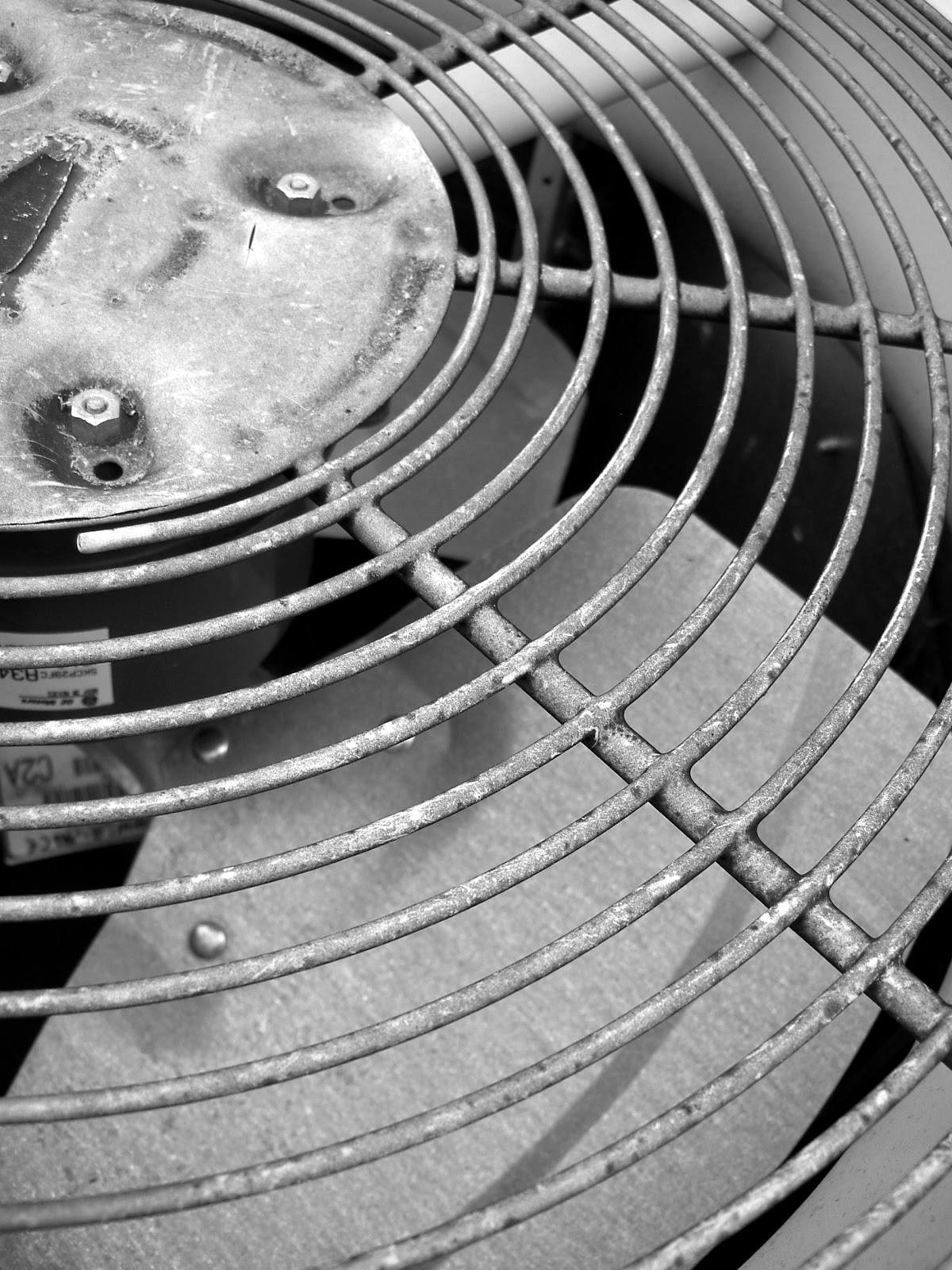
Using a screwdriver or wrench, remove the fan cage on the exterior condenser/compressor from the top of the unit. By hand, or with a wet/dry vacuum, clean leaves and other debris from the interior.

Clean the fins
Using a garden hose with a strong stream setting, spray through the fins from the inside out to blast any built up dirt or debris from between them. Never use a pressure washer, since the pressure can damage the fins.

Straighten the fins
Carefully straighten any bent fins using a butter knife or commercially available fin-straightening tool. Be gentle so that the tubing embedded within the fins is not damaged. Straight fins means increased efficiency due to optimal airflow.

Clean around the unit
Once you’ve finished cleaning the unit itself from the inside out, tidy up around the unit. Rake away leaves and debris and cut back any vegetation at least two feet in all directions

Change the filter. The filter in your HVAC system should be changed twice a year - once before the heating season begins and another before cooling season.


Schedule maintenance
While the above steps will help your AC stay in top shape, some maintenance items should only be performed by a trained HVAC technician. Ideally, this maintenance should be done by a professional once a year, either in the spring or fall.

Routine, professional maintenance does cost money up front, but will save you in the long run from having to fix bigger issues that may arise. Let Wheeler’s Heating & Air Conditioning perform maintenance or repair on your AC unit, or even replace your old unit for a more efficient system that can save you money each month. We provide top AC repair in Ozark at more affordable rates than our competitors. Contact us today! Call 414-839-9240 or visit us at http://www.wheelerheatingandair.com/.

Tuesday, March 27, 2018

Is Electric Heat the Right Option for You?

Electric Heating

While most of us are anticipating spring, there is something to be said about snuggling up in a nice warm house. But as you turn up the dial on your thermostat you should ask yourself, is your heat working for you optimally? Are you considering switching to electric heat? Or did you recently purchase a home that has electric heat and you’re unsure of the advantages?
Electric heat has several advantages. It can be controlled easily throughout your home and is typically quick to respond. From a homeowner’s standpoint, electric heat is clean and oftentimes less expensive to purchase and install. Here are some other advantages to consider if you’re thinking about making a switch or purchasing a home that already has an electric heating system.
  • Typically quieter to run.
  • Electric heat systems are safe because there is no combustion process.
  • Few moving parts.
  • Takes up less space in the home than other systems.
  • There is no chimney, so there is no off-cycle loss when the system is at rest. 
  • It can be added on a localized basis to heat specific cool areas.
  • Consistent temperatures.
  • Durability. 
  • Odorless. 

Electric Heat

Cost Effectiveness
Oftentimes electric furnaces get a bad rap for carrying an exorbitant price tag every month to heat a home, but this is not necessarily true. In fact, if you properly maintain your furnace it should be more economical in the long run. Although, upfront costs to make a switch to heat your home with an electrical unit might seem high at the time, electrical furnaces oftentimes have a much longer lifespan than gas or oil, typically units can last upwards to 20-years or more.

Availability
Lastly, electric furnaces are a solid choice because it is readily available no matter where you live. The lack of access to deliver oil and gas or the hookups to do so are sparse in some areas of the country. If you already have a home or are considering purchasing a home that already has electric service, you can take advantage of heating your home whenever you want without relying on delivery, shortages, or the influx of cost due to shortages. Wheeler’s offers free in home estimates and pay attention to detail so if you are considering a switch, contact us today.

We pride ourself for being your service provider anytime day or night. If you are in need of a new furnace call us today at 417-839-9240. We offer financing, installation, repair and more in the Ozark, Springfield, and surrounding Areas. Wheeler's Heating and Air Conditioning LLC is a family owned and family run business. We provide honest, reliable,  and affordable service. We are available 24/7 and we will never charge you an extra fee for after hours, holidays, or weekends. Visit our website today for more information! www.wheelerheatingandair.com


Resources:
www.wheelerheatingandair.com 

Thursday, February 15, 2018

Indoor Air Pollution & What You Can Do About It

Did you know indoor air pollution levels are two to five times higher than outdoor air pollution levels? Since we spend a good deal of our time inside, the air quality we breathe indoors should be of the utmost importance. Common indoor air pollutants include:

Indoor Air Pollution
  • Secondhand smoke: A serious indoor air pollutant which can worsen symptoms for asthma sufferers, increase risks of ear infections in children and increase risks for SIDS in babies.
  • Radon: A dangerous gas pollutant identified as the second leading cause of lung cancer, Radon enters homes through cracks and other improperly sealed openings.
  • Carbon monoxide and nitrogen dioxide: These gases come from burning materials or improperly vented fuel-burning appliances such as space heaters, wood stoves, gas stoves, water heaters, dryers and fireplaces.
  • Allergens: Pollen, dust, pet dander, and mold are among several indoor pollutants that can trigger allergy symptoms and asthma.
Regular maintenance of your HVAC system can improve indoor air quality and reduce allergens throughout the home. Here’s what you can do:
  • Replace filters. Use high-quality filters or permanent HEPA filters, which remove more than 90% of microscopic particles, drastically reducing indoor allergens. For replaceable filters, consider changing them every three months. For permanent HEPA filters, clean them or have them cleaned regularly.
  • Keep your HVAC unit clean. Check your outdoor AC unit and indoor unit to make sure they are free of dust and debris. If your unit is left dusty or dirty, that debris will be sucked into the HVAC system and circulated throughout your home. Keeping your units clean will reduce allergens.
  • Check for mold. Mold is one of the most dangerous indoor pollutants that can be in your home. You should be checking your air ducts, drip pan and drain, evaporator coils, and air handler every few weeks to make sure there is no mold growth. Mold spores cause allergies and in some cases if left unchecked, they cause serious illness and even death.
  • Dust regularly. When dusting your home, you should dust your air registers and return vents first. If your registers and vents are dusty, then they will circulate dust to the rest of your home. Cleaning them with a damp cloth instead of a feather duster will pick up the dust rather than just redistributing it elsewhere.
  • Schedule HVAC maintenance. Spring is a great time to schedule an HVAC maintenance appointment. Regular professional maintenance is important to keep your system healthy and free of dust and blockage.

If you’re in need of HVAC system maintenance, repair, or replacement, contact Wheeler’s Heating & Air Conditioning. We also offer different products to help with your home’s air quality. Contact us for more information!

Friday, January 19, 2018

New Year’s Resolutions for Your HVAC System

You may have set New Year’s Resolutions for your body and mind, for your health and for your habits. But have you considered making New Year’s Resolutions for your home? Specifically, for your HVAC system. Here are some “resolutions” to help make your home more comfortable and energy-efficient home in 2018:

programmable HVAC

Utilize Your Programmable Thermostat
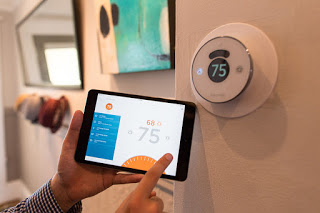
If you have a programmable thermostat but aren’t using it to its full potential, now is the time to start. There is a lot of money to be saved by programming your thermostat to a lower temperature while you’re at work or asleep. If you don’t have a programmable thermostat in your home, consider getting one installed. Or you can go a step further and get a smart thermostat. You’ll be amazed by how much it simplifies regulating your home’s temperature as well as saves you money on utilities and bills!

Change Your Filters
Changing your HVAC filters is one of the easiest ways to ensure that your system will continue to run efficiently. You should change your filters every 3 months to help prevent potentially costly repairs and breakdowns. Changing your filters will also help keep your air clean during the months that your home is kept shut up from the cold elements. Cleaner air means less illness during cold and flu season cycling through the home. Set a schedule and mark on your calendar to help you remember to change out the filters.

Schedule Routine Maintenance
Maintenance is key when it comes to your HVAC system. Regular maintenance performed by a certified technicians will help your system have a longer lifespan, run more efficiently, and prevent costly problems. Maintenance on your HVAC system should be performed at least once a year.

Upgrade Your HVAC System
If your HVAC system is nearing the end of its lifespan (20-25 years, depending on the model), the new year is the perfect time to start thinking about investing in a new, more energy efficient replacement.

If you need to schedule routine maintenance or upgrade your HVAC system, give Wheeler Heating & Air Conditioning a call. We’ll be glad to help you keep your HVAC resolutions!

Friday, July 14, 2017

When is it Time to Replace your Air Conditioner?

When it comes to your air conditioner, it’s often a case of “there’s more than meets the eye.” On the outside, your system may seem to appear and be functioning the way it always does. But you never know if there are hidden threats and malfunctions that are lurking below the surface. And when it comes to a problem with your air conditioning system, no matter how insignificant an issue may seem, it may have big consequences on  your wallet. 

Hfuzlh7 yjda77hfqpmcymq8ty3mpq94 pifwn2hm92kvr2dzkunc6hkb2ifl26ioskin1kr0utu5mnvwnnmkhu18shv ieucmwwxamgjf9ueg 30qejpawkieaijxqsppzwxzxf
We at Wheeler’s Heating and Air Conditioning know that just because we have an expert eye, and can spot an issue with an air conditioning system easily, doesn’t mean our customers can. We want to make sure that we address any potential problems with your system quickly and efficiently. 

Not sure if your air conditioner is still operating in the highest quality condition?  We are here to help! Until we can pay you a visit in person and take a look at your unit first hand, here are a few common warning signs and questions you can be aware of. This is what our expert team most often gets asked when it comes to air conditioners and when a repair or replacement may be needed. 

1.  How old is my air conditioner?
One of the biggest warning signs that you may be in need of a new air conditioner is its age. Even though a typical, well-maintained air conditioner on average lasts around 15 years, we’d recommend that if your air conditioner is older than 10 years old, you consider replacing it sooner rather than later.

2.  Are you satisfied with the temperature of your home?
If you have a hard time maintaining a comfortable, cool temperature in your home, especially during these warm summer months, that is a good warning sign that you may be in need of a new air conditioner.

3.  When was the last time your air conditioner broke down?
If it seems that your air conditioner is never working properly working of frequently stops working altogether, a replacement system is highly recommended. Think of it this way; small, frequent repair costs add up to one large cost, so isn’t it logical to just replace your system and have no future repairs?

4.  Is your air conditioner energy efficient?
Pay attention to the SEER rating on your air conditioner, or the Seasonal Energy Efficiency Ratio. The lower the rating, the higher cost for you when it comes to monthly energy bills and future repairs. We recommend your SEER rating be a minimum of 13.

If any of these warning signs are relevant to your home’s air conditioner, don’t wait to call your expert team at Wheeler’s Heating and Air Conditioning! Trust us to make sure your system is in proper working order during these summer months and beyond. Call us today at 417-839-9240 or email us at wheelerheatingandair@gmail.com to schedule an upcoming inspection.

Wednesday, June 14, 2017

Stay Cool with these Summer AC Tips

Wskscrgk6xnytlgdayaqo9wxlgrqxpil 3q jyrkuvic98t rbrpjlvrduoviv ub2vxcupnh71enmxc5zzgkwfoqgsekhcmfc137vy061tvkhu7a qudakmxkqqxkkxue6xhnmc


Summer is here, days are longer, the kids are out of school, and the mercury is starting to climb - all  sure signs that air conditioning season is back upon us. Whether your AC unit is brand new or if it’s seen a few summers, there are things every homeowner can do to ensure that your AC keeps running smoothly and cost-effectively, year after year. 
 
Professional Maintenance is Key
 
Each spring, schedule a routine maintenance appointment with a reputable HVAC specialist. At this appointment, filters will be checked and changed, evaporator coils and the condenser will be cleaned, and refrigerant levels will be checked. If necessary, additional refrigerant will be added. Mud, dirt, and debris that have accumulated over the winter and can clog the condenser will be cleaned out, drain lines will be cleared, and the air conditioner will be checked for safety. Your HVAC specialist will also check your thermostat at this time to ensure that all of your controls are working properly and that your AC unit is as energy efficient as possible.
 
Improve AC Performance During the Summer
 
Once summer is here, there are many things that you can do to help your AC perform better and more efficiently. Sun beaming through the windows is a sure way to force your AC to work harder, so be sure to keep curtains closed during the daylight hours. Reduce heat from other sources by turning lights off when not in use and scheduling “hot” chores such as laundry and cooking for the cooler hours of the day. Keep ceiling fans on and, in rooms without a fan, use inexpensive portable fans to circulate the air. If you have rooms in your home that aren’t used on a regular basis (like a guest room), turn those AC vents to the off position and close the door. 
 
Your air conditioner filter is responsible for allowing air to flow freely from your air conditioning unit. Because the filter traps particles before allowing the cool air into your home, over time it will get clogged and efficiency will be compromised. Avoid this by changing your AC filter monthly during the summer months while it is in use. Installing a programmable thermostat allows you to control your AC usage by increasing the temperature when no one is home, and restoring a comfortable temperature when people are at home. Programmable thermostats are a great way to save money on your energy bill without sacrificing comfort. 
 
At Wheeler’s Heating and Air Conditioning, we specialize in air conditioner maintenance and repair. Visit us online today, or give us a call at 417-839-9240. 

Tuesday, April 4, 2017

Spring is Here - Is your Air Conditioner Ready?

Os9tie9xiaclmaiebwgkffvcwtdkdydifhi k kgg0rmuve7bxhja5 fthbwyp26b4gbiwrn e4yp8isrb wf13gjvys m406kfc0v3 6vor ljkqb5b ns9qxjjj9f1srqeuhxv
Spring is in the air here in Ozark region of Missouri. While the heat of summer seems like it is a long way off, it will be here sooner than you think. Making sure your air conditioner is ready for summer is important if you want to enjoy cool comfort when the heat and humidity hit. Giving your AC a spring check up should be at the top of your to-do list.
 
What a Check up might include
 
  • Full system inspection – A diagnostic test of the entire AC unit should be conducted to ensure that all parts are working effectively.
  • Cleaning of any dirt or other build up on the coils  – Leaves from the fall and dirt and debris over the winter can get into the coils and can reduce efficiency.
  • Lubrication of moving parts – Just like any other piece of machinery, your air conditioner has a lot of moving parts that must be properly lubricated to move efficiently.
  • Air filter replacement – A clogged air filter can reduce airflow and burn out the motor in the AC unit. Additionally, it can blow dirt throughout your entire ventilation system.
  • Thermostat controls and wiring – Be sure that the controls and wiring is in good shape to maintain efficiency of your AC unit.
  • Condenser Cleaning – Remove debris and ensure that your condenser
    is ready for the demands constant use during the warm summer months.
 
While it might seem like a check up for your air conditioner is an added and unnecessary expense, taking the time to properly care for small things now could save you big money in the future. And, with the warm weather here in Missouri, it could also spare you several days of discomfort waiting for repairs on an AC unit that has suffered a break down or needs to be completely replaced.
 
To be sure that your home is ready for the upcoming heat and humidity of the summer months, a springtime air conditioning system check up is essential. Contact the experts at Wheeler’s Heating and Air Conditioning and ask about our spring cleaning special to prepare your AC unit for summer.

Monday, February 20, 2017

A Spring Cleaning is in Need for Your Home and Appliances

Lxuh8p442a8tcpg5dkibeuvhs dq1lmxvmwefjvoxoyd fbfuvfd4n 2nccrfuqp9of0sjfjh3pu1anqb0pijs t94z6pkiyknvjthhsao1ktexs6amjhqf fcjwhv0pr48twdcx


Do you have a case of the “winter blues?” If yes, you are certainly not alone—it happens to countless people around this time of year. When February strikes, it seems that winter has not only lasted far too long, but that it will never end. Be assured that the end of winter is approaching quicker than you realize which means spring is thankfully around the corner!

With the arrival of spring, a multitude of challenges can present themselves in the form of harmful pollens. We are all too familiar with allergies and how they personally impact us. There are fortunately ways to combat allergies, and it often starts with the condition of your home. While keeping a clean home is always crucial, it is especially essential in the spring season to help minimize your allergy symptoms.  The best visible ways to clean your home and keep it in top condition are to scrub and disinfect products and materials where pollen can easily attach. These would include your home’s carpets, floors, and draperies. And don’t forget to pay attention to your home’s appliances—they also must be cleaned to help prevent your allergy symptoms!

A clean house is just the start to helping you fight allergies in the coming months. Not only is a thorough cleaning of your home’s floors, carpets, and draperies a strong strategy, but you must also carefully consider the condition of the air in your home. That’s where your friends and experts at Wheeler’s Heating and Air Conditioning come into the picture! Known for our reliable and affordable service, our team can expertly examine and repair your air pumps, air heat pumps, gas furnaces, and electric heating systems to get you safely through spring. On top of that, we are also proud to offer a wide variety of indoor air quality products. And the best part of all? All of these outstanding service offerings begin with a free in-home estimate!

Count on us to get you through the spring season! Be sure to contact Wheeler’s Heating and Air Conditioning for all of your Heating and Cooling repair needs! Give us a call 417-839-9240!


Thursday, January 5, 2017

How Condensation in Duct Work Impacts your Home

Condensation
While it might not sound like a big deal, excess condensation in your ductwork can be a sign of more serious problems within your HVAC system. Often homeowners are completely unaware that there is trouble until a more serious issue occurs.
 
What is Condensation?
Condensation occurs when water vapor in the air condenses into liquid. The colder the air becomes, the more likely the air will condense into water. Generally, this problem is associated with warm humid air as it comes into contact with a much colder temperature, such as the surface of your air ducts. The cold surface chills the air and causes a rapid drop in temperature. When the temperature dips below the air’s dew point, water forms. This process can be seen if you observe how air reacts to the surface of a glass filled with an icy cold beverage.
 
Why is this a Problem for Ductwork?
When the water forms on the cold surface of the ducts, can start to drip. Because the ducts are normally located behind walls or in ceilings, the excess build-up  of water can have a big impact on the interior surfaces, causing mold and mildew to form. It can also compress insulation in the wall and reduce the energy efficiency. And, it can rot the drywall, ruin woodwork and other structures within the interior of your walls.
 
What Causes Condensation in Air Ducts?
Typically, moisture within HVAC ducts is an issue during the summer months in areas like the Ozarks, that see a great deal of heat and humidity. The cold air from your air conditioning creates the right climate for warmer humidified air to condense into water droplets within your air ducts. Having inadequate insulation around your ducts is a common way that condensation forms. Insulation is designed to hold heat in or keep cold out. If your ducts are properly insulated, condensation is unable to form because the warm air does not come into contact with the cold surface of the air ducts.
 
If you are concerned that you have condensation in your ducts, it is best to leave the job to a professional. Contact the team at Wheeler Heating and Air Conditioning to analyze the moisture content in your ducts.

Monday, December 19, 2016

Do You Need Humidifiers, Dehumidifiers, or Both?

With winter upon us, many people notice drier indoor air. They may experience cracked skin, chapped lips, dry eyes, and sinus pain. Cold air is unable to retain much moisture to begin with, but heating the air through an HVAC system only makes it drier. Many households operate humidifiers during this time, but if moisture levels become too high in winter, you may experience window condensation and an increase of mold and mildew spores. It’s important for both comfort and health to strike the right balance in a home’s humidity level year-round.

Recommended Relative Humidity

Moisture levels in your home are measured by relative humidity (RH). A hygrometer is a relatively inexpensive, small instrument that can be easily purchased at most hardware and home merchandise stores. Hygrometers come in both analog and digital models. Some include thermometers, measuring the temperature of a given room as well as humidity, and some even feature alarms that sound when the humidity is outside a comfortable range.

Indoor air should ideally have a relative humidity level somewhere between 30-50%. In winter, the level may need to be around 40% or below to avoid window condensation and mold growth.

Humidifiers

Humidifiers add moisture to the air, usually by propelling a fine mist into the air. In winter, if the humidity level in a home falls below 30%, you or your family may experience some of the physical symptoms above. You may also notice static electricity, or the wood and leather in your home becoming dry and susceptible to cracks. Drier air feels colder, as well, so bringing up the humidity level can make you feel warmer in winter. Humidity levels can vary from room to room, so be sure to measure each room individually, and identify which rooms will benefit from a humidifier.    

Too much humidity, however, is problematic. When using humidifiers, make sure the relative humidity in each room stays within the comfort range. Heavy moisture in the air can cause a buildup of mold and dust mites, exacerbating allergy symptoms. Signs of too much moisture in the home include damp stains, blistering paint, visible mold growth, the presence of a musty or stale odor, and window condensation. If you notice signs of high humidity around your home, or consistently see high readings on your hygrometer, you may need a dehumidifier. 

Dehumidifiers

Dehumidifiers pull moisture out of the air, often by collecting the water from the air in a tank. It is important to change the tank daily to prevent mildew and bacteria from growing. If your home measures over 50-60% humidity, a dehumidifier will bring the level back down into a more comfortable, healthy range.   

Because humidity levels vary so much throughout the year, and even from room to room, many people choose to use both, depending on the season. Some households run a humidifier in winter, and a dehumidifier in a damp basement, for example, or in spring or fall, when the air conditioner isn’t running. If you don’t run your HVAC system very often in summer, you may choose to run a dehumidifier for comfort, or to reduce moisture in certain areas of the house.  


At Wheeler’s Heating and Air Conditioning, we care about your home’s indoor air quality. Serving the Ozarks, we are a family-owned and operated business providing residential indoor air quality products, as well as furnace, heat pump, and air conditioner repair and installation. Please visit our site or call (417) 839-9240 today to find out more!

Wednesday, November 16, 2016

Stay Warm this Winter: The 3 main types of attic insulation

Winter is upon us, and insulation is on the minds of many homeowners right now. With most American households seeing a rise in energy bills at this time of year, and of course, wanting to maximize home comfort, HVAC contractors get a lot of questions about heating efficiency during this time. Attic insulation is an important part of winterizing a home and increasing its warmth.
Energystar.gov estimates that 9 out of 10 attics are under-insulated. When you think about how cold air sinks and warmer air rises, it makes sense that your attic insulation is one of the first places to look if your heating bills are high and your home feels drafty and cold. Insulation can either be added by a professional contractor, or on a do-it-yourself basis. Be sure never to cover recessed lighting or vents with insulation. For more tips on laying your own attic insulation, see here.
There are three main types of attic insulation: roll-on, blown-in, and spray foam. Before adding any type of insulation, be sure to plug or seal any areas of air leakage. Putting insulation over a hole or crack in the attic space will compromise its performance.
  • Roll-on insulation: This is generally the easiest type of insulation to put in yourself, but it isn’t necessarily the most efficient. Rolls of this kind of insulation usually come in fiberglass material. Rolls are pre-cut and don’t require special machinery to install. Roll-on installation is also good for covering large or long areas of the attic, but the downside is that it doesn’t conform perfectly to irregularly-shaped areas.
  • Blown-in: This form of insulation comes in small pieces, which makes it the best choice for filling in gaps, small spaces, and difficult-to-reach areas. It is applied with a machine that blows the material--usually cellulose or fiberglass--into the attic space through a large hose. It can also be applied over existing insulation.   
  • Spray foam: Spray foam can be the warmest option if applied correctly, but it can also be the most expensive. If applied too thick or too thin, spray foam insulation isn’t as efficient as blown-in or roll-on. As the name implies, this form of insulation involves spraying a coating of foam directly to the ceiling and walls of the attic. Spray foam, however, is a great option for sealing around vents, doors, and other drafty spots.
Wheeler’s Heating and Air Conditioning is a family-owned and operated business providing furnace, heat pump, and air conditioner service and repair in Ozark, Missouri. Visit our site or call (417) 839-9240 today to find out more. Follow our blog for more tips on how to improve your indoor air quality and maximize your home’s heating and cooling efficiency!

Wednesday, October 12, 2016

Ceiling Fan Operation Through the Seasons

Ceiling fans circulate the air in a room, adding to temperature comfort and a reduced need for usage of air conditioning or heating units. Depending on the season, there are tips for maximizing ceiling fan operation so that you get all the comfort and efficiency your fan can offer.

Ceiling Fan Rotation: Counterclockwise Versus Clockwise
Determine ceiling fan direction by standing under the fan and looking up. If the blades are moving counterclockwise, the fan is moving in a forward direction. In the summer, a ceiling fan should run in this direction. In winter, the direction should be switched so that it moves clockwise (backwards). The mechanics of this seasonal rule are as follows:

  • Counterclockwise: This direction forces air straight downward, creating a wind chill effect that cools the room below.
  • Clockwise: By changing the direction of the fan to clockwise, or backwards, the rotation creates an updraft of room air. Hot air rises naturally, so the goal is to push warm air gently back down into the room without creating the wind chill effect. This direction circulates warm air outwards so that it doesn’t blow straight down.

Ceiling Fan Speeds
Have you ever wondered why ceiling fans feature so many different speeds? In the summer when you need to cool off, high speed rotation offers the most “wind chill” effect. In winter, lower speeds in the reverse direction allow the warmer air to move away from the ceiling, down and out towards the rest of the room, without the wind chill effect created by excessive, downward air circulation.

Why, then, is the ceiling fan still able to run at a high speed in the clockwise direction? There are some instances where you might want to create the wind chill effect in reverse rotation. One example includes those who sleep under the ceiling fan who want to cool the room but not have the cold air blowing directly on them. For rooms where a table that is set up directly under a ceiling fan, it might be more comfortable to cool the room using the clockwise rotation in high speed, rather than eating or playing cards or board games with the cold air blowing straight down on the table.

Ceiling Fan Troubleshooting
If your fan isn’t creating the directional effects you want, the blades may be too flat to make a seasonal difference. You also might need a fan with a more powerful motor, or more speeds. The bottom line is that you should be able to feel cool air blowing downward on you in summer when you stand under the fan. If you don’t, it’s time to troubleshoot.

Wheeler’s Heating and Air Conditioning is a family-owned and operated business providing furnace, heat pump, and air conditioner service and repair in Ozark, Missouri. We offer the most affordable rates around, as well as emergency service at no up-charge for after hours or holiday work. Visit our site or call (417) 839-9240 today to find out more!