Showing posts with label home insulation. Show all posts

Monday, December 18, 2017

How to Combat Common Irritants When Heating Your Home

While the temperatures continue to drop outside, it’s only natural to want the temperatures inside to rise. As winter continues, we tend to do whatever it takes to stay warm and comfortable whenever we’re indoors, and that often means setting our thermostats to a higher than normal internal temperature.

Combating a cold
Sounds like a flawless plan, right? When you’re cold, simply turn up the heat in your home or office, and you have what it takes to beat winter! Well, not exactly. When the weather inside becomes even just a few degrees warmer than normal, that temperature fluctuation can have drastic consequences on you and your body.


Here are a few common irritants that often come with turning up the heat in your home.

Use a Humidifier
Although your home’s heating system will bring needed comfort from the bitter cold, that doesn’t mean the price you have to pay is allergies and dry skin. Why does this happen? The higher the temperatures, the less moisture there is in the air, and that often leads to cracked lips, irritated skin, and even the occasional sore throat.
This is where a humidifier in your home will help significantly. Humidifiers will deliver the necessary moisture needed in the air, all without sacrificing the cozy feeling you’re looking for.

Try a Space Heater
While space heaters are a great option to create warmth in your home without turning on the furnace, we highly recommend you use one without a fan. Fans in space heaters can easily circulate excess dirt and dust in your home.
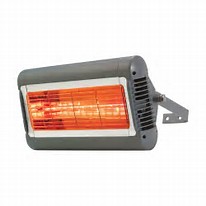
Space Heaters
Instead, go for a micathermic heater or an infrared space heater. Micathermic heaters are quiet, efficient, and heat indoor rooms evenly without fans. Infrared heaters, which use energy waves to transfer heat directly onto people or objects, are great for warming areas directly in front of the heating unit.

While it may feel good to turn the temperature up in your home this winter, proceed with caution. The more you know about how heating can lead to dry skin and allergens, the more you can do to not only combat those potential issues and stay cozy and healthy all season long. For more information on how you can heat your home safely, trust your friends and experts at Wheeler Heating and Air. Reach us today at 417-839-9240 or at wheelerheatingandair@gmail.com.


Wednesday, June 14, 2017

Stay Cool with these Summer AC Tips

Wskscrgk6xnytlgdayaqo9wxlgrqxpil 3q jyrkuvic98t rbrpjlvrduoviv ub2vxcupnh71enmxc5zzgkwfoqgsekhcmfc137vy061tvkhu7a qudakmxkqqxkkxue6xhnmc


Summer is here, days are longer, the kids are out of school, and the mercury is starting to climb - all  sure signs that air conditioning season is back upon us. Whether your AC unit is brand new or if it’s seen a few summers, there are things every homeowner can do to ensure that your AC keeps running smoothly and cost-effectively, year after year. 
 
Professional Maintenance is Key
 
Each spring, schedule a routine maintenance appointment with a reputable HVAC specialist. At this appointment, filters will be checked and changed, evaporator coils and the condenser will be cleaned, and refrigerant levels will be checked. If necessary, additional refrigerant will be added. Mud, dirt, and debris that have accumulated over the winter and can clog the condenser will be cleaned out, drain lines will be cleared, and the air conditioner will be checked for safety. Your HVAC specialist will also check your thermostat at this time to ensure that all of your controls are working properly and that your AC unit is as energy efficient as possible.
 
Improve AC Performance During the Summer
 
Once summer is here, there are many things that you can do to help your AC perform better and more efficiently. Sun beaming through the windows is a sure way to force your AC to work harder, so be sure to keep curtains closed during the daylight hours. Reduce heat from other sources by turning lights off when not in use and scheduling “hot” chores such as laundry and cooking for the cooler hours of the day. Keep ceiling fans on and, in rooms without a fan, use inexpensive portable fans to circulate the air. If you have rooms in your home that aren’t used on a regular basis (like a guest room), turn those AC vents to the off position and close the door. 
 
Your air conditioner filter is responsible for allowing air to flow freely from your air conditioning unit. Because the filter traps particles before allowing the cool air into your home, over time it will get clogged and efficiency will be compromised. Avoid this by changing your AC filter monthly during the summer months while it is in use. Installing a programmable thermostat allows you to control your AC usage by increasing the temperature when no one is home, and restoring a comfortable temperature when people are at home. Programmable thermostats are a great way to save money on your energy bill without sacrificing comfort. 
 
At Wheeler’s Heating and Air Conditioning, we specialize in air conditioner maintenance and repair. Visit us online today, or give us a call at 417-839-9240. 

Tuesday, April 4, 2017

Spring is Here - Is your Air Conditioner Ready?

Os9tie9xiaclmaiebwgkffvcwtdkdydifhi k kgg0rmuve7bxhja5 fthbwyp26b4gbiwrn e4yp8isrb wf13gjvys m406kfc0v3 6vor ljkqb5b ns9qxjjj9f1srqeuhxv
Spring is in the air here in Ozark region of Missouri. While the heat of summer seems like it is a long way off, it will be here sooner than you think. Making sure your air conditioner is ready for summer is important if you want to enjoy cool comfort when the heat and humidity hit. Giving your AC a spring check up should be at the top of your to-do list.
 
What a Check up might include
 
  • Full system inspection – A diagnostic test of the entire AC unit should be conducted to ensure that all parts are working effectively.
  • Cleaning of any dirt or other build up on the coils  – Leaves from the fall and dirt and debris over the winter can get into the coils and can reduce efficiency.
  • Lubrication of moving parts – Just like any other piece of machinery, your air conditioner has a lot of moving parts that must be properly lubricated to move efficiently.
  • Air filter replacement – A clogged air filter can reduce airflow and burn out the motor in the AC unit. Additionally, it can blow dirt throughout your entire ventilation system.
  • Thermostat controls and wiring – Be sure that the controls and wiring is in good shape to maintain efficiency of your AC unit.
  • Condenser Cleaning – Remove debris and ensure that your condenser
    is ready for the demands constant use during the warm summer months.
 
While it might seem like a check up for your air conditioner is an added and unnecessary expense, taking the time to properly care for small things now could save you big money in the future. And, with the warm weather here in Missouri, it could also spare you several days of discomfort waiting for repairs on an AC unit that has suffered a break down or needs to be completely replaced.
 
To be sure that your home is ready for the upcoming heat and humidity of the summer months, a springtime air conditioning system check up is essential. Contact the experts at Wheeler’s Heating and Air Conditioning and ask about our spring cleaning special to prepare your AC unit for summer.

Monday, February 20, 2017

A Spring Cleaning is in Need for Your Home and Appliances

Lxuh8p442a8tcpg5dkibeuvhs dq1lmxvmwefjvoxoyd fbfuvfd4n 2nccrfuqp9of0sjfjh3pu1anqb0pijs t94z6pkiyknvjthhsao1ktexs6amjhqf fcjwhv0pr48twdcx


Do you have a case of the “winter blues?” If yes, you are certainly not alone—it happens to countless people around this time of year. When February strikes, it seems that winter has not only lasted far too long, but that it will never end. Be assured that the end of winter is approaching quicker than you realize which means spring is thankfully around the corner!

With the arrival of spring, a multitude of challenges can present themselves in the form of harmful pollens. We are all too familiar with allergies and how they personally impact us. There are fortunately ways to combat allergies, and it often starts with the condition of your home. While keeping a clean home is always crucial, it is especially essential in the spring season to help minimize your allergy symptoms.  The best visible ways to clean your home and keep it in top condition are to scrub and disinfect products and materials where pollen can easily attach. These would include your home’s carpets, floors, and draperies. And don’t forget to pay attention to your home’s appliances—they also must be cleaned to help prevent your allergy symptoms!

A clean house is just the start to helping you fight allergies in the coming months. Not only is a thorough cleaning of your home’s floors, carpets, and draperies a strong strategy, but you must also carefully consider the condition of the air in your home. That’s where your friends and experts at Wheeler’s Heating and Air Conditioning come into the picture! Known for our reliable and affordable service, our team can expertly examine and repair your air pumps, air heat pumps, gas furnaces, and electric heating systems to get you safely through spring. On top of that, we are also proud to offer a wide variety of indoor air quality products. And the best part of all? All of these outstanding service offerings begin with a free in-home estimate!

Count on us to get you through the spring season! Be sure to contact Wheeler’s Heating and Air Conditioning for all of your Heating and Cooling repair needs! Give us a call 417-839-9240!


Monday, December 19, 2016

Do You Need Humidifiers, Dehumidifiers, or Both?

With winter upon us, many people notice drier indoor air. They may experience cracked skin, chapped lips, dry eyes, and sinus pain. Cold air is unable to retain much moisture to begin with, but heating the air through an HVAC system only makes it drier. Many households operate humidifiers during this time, but if moisture levels become too high in winter, you may experience window condensation and an increase of mold and mildew spores. It’s important for both comfort and health to strike the right balance in a home’s humidity level year-round.

Recommended Relative Humidity

Moisture levels in your home are measured by relative humidity (RH). A hygrometer is a relatively inexpensive, small instrument that can be easily purchased at most hardware and home merchandise stores. Hygrometers come in both analog and digital models. Some include thermometers, measuring the temperature of a given room as well as humidity, and some even feature alarms that sound when the humidity is outside a comfortable range.

Indoor air should ideally have a relative humidity level somewhere between 30-50%. In winter, the level may need to be around 40% or below to avoid window condensation and mold growth.

Humidifiers

Humidifiers add moisture to the air, usually by propelling a fine mist into the air. In winter, if the humidity level in a home falls below 30%, you or your family may experience some of the physical symptoms above. You may also notice static electricity, or the wood and leather in your home becoming dry and susceptible to cracks. Drier air feels colder, as well, so bringing up the humidity level can make you feel warmer in winter. Humidity levels can vary from room to room, so be sure to measure each room individually, and identify which rooms will benefit from a humidifier.    

Too much humidity, however, is problematic. When using humidifiers, make sure the relative humidity in each room stays within the comfort range. Heavy moisture in the air can cause a buildup of mold and dust mites, exacerbating allergy symptoms. Signs of too much moisture in the home include damp stains, blistering paint, visible mold growth, the presence of a musty or stale odor, and window condensation. If you notice signs of high humidity around your home, or consistently see high readings on your hygrometer, you may need a dehumidifier. 

Dehumidifiers

Dehumidifiers pull moisture out of the air, often by collecting the water from the air in a tank. It is important to change the tank daily to prevent mildew and bacteria from growing. If your home measures over 50-60% humidity, a dehumidifier will bring the level back down into a more comfortable, healthy range.   

Because humidity levels vary so much throughout the year, and even from room to room, many people choose to use both, depending on the season. Some households run a humidifier in winter, and a dehumidifier in a damp basement, for example, or in spring or fall, when the air conditioner isn’t running. If you don’t run your HVAC system very often in summer, you may choose to run a dehumidifier for comfort, or to reduce moisture in certain areas of the house.  


At Wheeler’s Heating and Air Conditioning, we care about your home’s indoor air quality. Serving the Ozarks, we are a family-owned and operated business providing residential indoor air quality products, as well as furnace, heat pump, and air conditioner repair and installation. Please visit our site or call (417) 839-9240 today to find out more!

Wednesday, November 16, 2016

Stay Warm this Winter: The 3 main types of attic insulation

Winter is upon us, and insulation is on the minds of many homeowners right now. With most American households seeing a rise in energy bills at this time of year, and of course, wanting to maximize home comfort, HVAC contractors get a lot of questions about heating efficiency during this time. Attic insulation is an important part of winterizing a home and increasing its warmth.
Energystar.gov estimates that 9 out of 10 attics are under-insulated. When you think about how cold air sinks and warmer air rises, it makes sense that your attic insulation is one of the first places to look if your heating bills are high and your home feels drafty and cold. Insulation can either be added by a professional contractor, or on a do-it-yourself basis. Be sure never to cover recessed lighting or vents with insulation. For more tips on laying your own attic insulation, see here.
There are three main types of attic insulation: roll-on, blown-in, and spray foam. Before adding any type of insulation, be sure to plug or seal any areas of air leakage. Putting insulation over a hole or crack in the attic space will compromise its performance.
  • Roll-on insulation: This is generally the easiest type of insulation to put in yourself, but it isn’t necessarily the most efficient. Rolls of this kind of insulation usually come in fiberglass material. Rolls are pre-cut and don’t require special machinery to install. Roll-on installation is also good for covering large or long areas of the attic, but the downside is that it doesn’t conform perfectly to irregularly-shaped areas.
  • Blown-in: This form of insulation comes in small pieces, which makes it the best choice for filling in gaps, small spaces, and difficult-to-reach areas. It is applied with a machine that blows the material--usually cellulose or fiberglass--into the attic space through a large hose. It can also be applied over existing insulation.   
  • Spray foam: Spray foam can be the warmest option if applied correctly, but it can also be the most expensive. If applied too thick or too thin, spray foam insulation isn’t as efficient as blown-in or roll-on. As the name implies, this form of insulation involves spraying a coating of foam directly to the ceiling and walls of the attic. Spray foam, however, is a great option for sealing around vents, doors, and other drafty spots.
Wheeler’s Heating and Air Conditioning is a family-owned and operated business providing furnace, heat pump, and air conditioner service and repair in Ozark, Missouri. Visit our site or call (417) 839-9240 today to find out more. Follow our blog for more tips on how to improve your indoor air quality and maximize your home’s heating and cooling efficiency!